How to Calculate Spread Cost in Forex Trading
Every transaction in the forex market involves a built-in fee known as the spread. This is the gap between the price to buy a currency pair and the price to sell it.
These price differences are measured in units called pips. Minor movements in spreads can significantly impact a trader’s bottom line, especially during volatile market hours.
Understanding this transaction cost is fundamental for anyone involved in currency trading. It directly influences the profit potential of each trade.
Brokers offer different spreads, with some being fixed and others changing with market liquidity. A narrower spread generally provides better value for active traders.
Understanding Forex Spreads and Bid-Ask Mechanics
Forex trading platforms display two distinct prices for each currency pair: the bid and the ask. These figures form the essential mechanics behind every quote. The bid ask prices are the foundation for determining transaction costs.
Defining the Bid and Ask Prices
The bid price is what buyers are willing to pay for the base currency. It reflects current demand in the market. Conversely, the ask price is the lowest price sellers will accept for the same pair.
This represents the available supply. The difference between these two price points is the bid-ask spread. Traders buy at the ask and sell at the bid.
The Role of Market Makers
Market makers provide liquidity by continuously quoting both prices. They ensure traders can execute orders swiftly. These entities adjust their bid and ask quotes based on order flow and market conditions.
This dynamic pricing manages their risk while offering constant market access. Their activity is central to a liquid trading environment.
Factors Influencing Forex Spreads

Forex spreads are dynamic, changing in response to underlying liquidity and volatility conditions. Several key factors determine their width, directly affecting transaction expenses.
Liquidity and Market Volatility
Liquidity stands as a primary driver. Highly traded pairs, like EUR/USD, see tight spreads due to massive volume. Exotic pairs often have wider gaps.
Conversely, periods of high market volatility push spreads outward. Rapid price swings increase risk for market makers. They widen quotes to protect their positions.
Impact of Financial News and Market Conditions
Major financial news announcements create uncertainty. Events like central bank decisions can cause spreads to spike dramatically. Market conditions also shift throughout the day.
Trading activity peaks when major sessions overlap. This increased volume typically narrows the gap. During off-peak hours, lower liquidity often leads to wider spreads.
Understanding these factors helps traders anticipate changing market conditions. It allows for better timing of entries and exits.
Types of Forex Spreads: Fixed vs. Variable
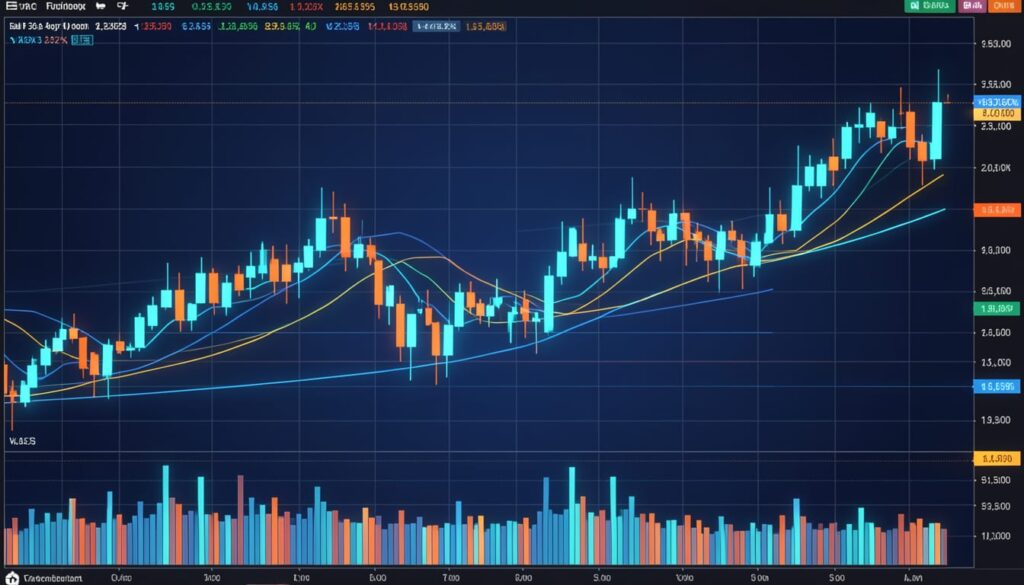
The structure of trading fees in currency markets falls into two primary categories. This choice impacts both cost predictability and potential expenses. The core difference lies in how the spread behaves.
Characteristics of Fixed Spreads
Fixed spreads remain constant, regardless of market volatility. Brokers acting as market makers typically offer this model. They control pricing to maintain a consistent gap.
This provides predictable trading costs for budgeting. Traders know their exact expense before entering a position. It simplifies risk management planning significantly.
Advantages of Variable Spreads
Variable spreads fluctuate with real-time market conditions. They tighten during high liquidity and widen in volatile periods. This reflects the natural dynamics of the interbank market.
Most active traders encounter this model. It can offer lower costs during normal, liquid trading sessions. Major pairs in peak hours often see the tightest gaps.
Understanding these fixed spreads and variable models aids broker selection. Traders prioritize cost certainty or potential lower average expense.
Step-by-Step Guide on How to Calculate Spread Cost
A clear methodology exists for determining the exact fee paid on each forex trade. This process turns quoted prices into a tangible transaction expense.
Calculating the Difference in Pips
Traders first note the bid and ask price on their platform. The core arithmetic involves a simple subtraction. The ask is subtracted from the bid to find the difference.
This result is the spread, expressed in pips. For most pairs, one pip equals 0.0001. With GBP/USD quoted at 1.3089/1.3091, the spread is two pips.
Real-Time Application in Trade Scenarios
In live markets, this spread fluctuates. Monitoring these changes is crucial for timing. Wide gaps often appear during news events or session opens.
Platforms display the current spread, but knowing the manual calculation helps verification. This knowledge aids in spotting unfavorable quotes. It allows traders to decide if an entry point offers good value.
Applying this example in a real trade scenario improves cost awareness. A smaller spread directly reduces the expense to open a position.
Real-World Examples of Spread Calculation
A practical demonstration using major and exotic currency pairs highlights cost differences. Seeing actual prices makes the bid-ask gap tangible.
Example Using GBP/USD Pair
Consider a live quote for the GBP/USD currency pair. The bid ask prices might show 1.65364 and 1.65373.
Subtracting the sell price from the buy price gives 0.00009. This example translates to a 0.9 pip spread. Such tight spreads are common for major pairs.
Scenario with Emerging Market Pairs
Contrast this with an exotic pair like USD/ZAR. This example shows significantly wider gaps, often 50 pips or more.
The most traded forex pair, EUR USD, often has a spread starting near 0.6 pips. High liquidity for the EUR USD and similar majors keeps costs low.
These examples show why selecting currency pairs wisely matters. It directly affects the expense to enter a trade.
Understanding the Impact of Spreads on Trading Costs

A trader’s final profitability is shaped by more than just favorable price movements. The bid-ask gap represents an immediate cost deducted from any potential gain. This expense directly influences the net value of every closed trade.
Effect on Overall Trade Profitability
Every position starts at a deficit equal to the spread. The market price must move sufficiently to cover this fee before generating actual profit. The monetary impact of this gap depends heavily on lot size.
A two-pip difference on a standard lot carries a much larger cost than on a micro lot. For active traders executing numerous trades, these costs accumulate rapidly. They can substantially reduce overall returns if not managed.
Strategies for Minimizing Spread Costs
Successful traders adopt tactics to reduce this financial friction. Proactive management of transaction costs is a key part of a sustainable trading plan.
Effective methods include:
- Focusing on major currency pairs, which typically have the tightest spreads.
- Executing orders during peak market hours when liquidity is high.
- Avoiding entries around major news events, as volatility can widen gaps.
- Selecting a broker known for competitive spread offerings.
Implementing these steps helps protect trading capital and improves net profitability over time.
Technical Tools and Platforms for Spread Analysis

Sophisticated software solutions empower traders to monitor and analyze spreads in real-time. The right platform transforms this critical task from manual guesswork into a streamlined process. Modern forex trading environments provide these tools directly on-screen.
Utilizing Advanced Trading Platforms
MetaTrader 4 (MT4) stands as a prime example of a powerful platform. It has served forex participants reliably for over fifteen years. This software displays current spreads for each currency pair transparently.
Advanced charting, price projection tools, and automated functionality are key features. A Virtual Private Server (VPS) for MT4 ensures low-latency connections. This technology provides reliable uptime and fast trade execution.
These systems alert users when spreads widen beyond typical levels. This helps avoid entries during costly market conditions. Spread history charts identify optimal, low-cost trading windows.
Integrating Technical Indicators for Better Insights
Combining spread data with classic indicators creates a powerful strategy. Tools like moving averages or the Relative Strength Index (RSI) offer deeper insights. They help pinpoint entry and exit moments for maximum cost efficiency.
Many platforms now include spread comparison features. Traders can see how their broker’s quotes stack up against market averages. Integrating this analysis with economic calendars prepares one for volatility.
This holistic approach to trading across various forex markets is essential. It turns raw data into a actionable advantage for managing expenses.
Risk Management and Spread Cost Considerations

Managing the financial risk from transaction fees requires a proactive and adaptive strategy. These expenses are not static and can change with market dynamics.
Integrating this reality into a trading plan is essential for long-term success. It protects capital from unexpected fee increases.
Mitigating Trading Risks Related to Wide Spreads
Widening spreads present a direct risk to open trades. A sudden gap expansion can trigger stop-loss orders or margin calls.
This often occurs during major news releases or extreme volatility. A prudent trader accounts for this when setting stop levels.
Monitoring an economic calendar is a key defensive tactic. It allows one to anticipate and avoid the most costly periods.
Adjusting Positions Based on Market Conditions
Market conditions dictate the smart approach to position sizing. During times of high volatility and wide spreads, reducing trade size is wise.
This maintains consistent risk exposure despite higher transaction cost. Liquidity is another critical factor.
Off-hours trading or exotic pairs often see wider gaps. An experienced trader adjusts strategy, sometimes waiting for more favorable conditions.
This flexible management of trades and position size is a hallmark of disciplined participation in the market.
Wrapping Up: Key Takeaways for Forex Traders
Mastering the dynamics of forex spreads equips traders with a critical edge in managing transaction expenses. This built-in cost, measured in pips, represents the essential difference between the bid and ask price.
These spreads are always variable, fluctuating with market liquidity and volatility. Tight gaps are common for major currency pairs during active sessions.
Wider spreads often appear with low liquidity or high uncertainty. Traders naturally favor tighter conditions, as they lower the barrier to a profitable trade.
Understanding these mechanics provides immense practical value. It allows for smarter timing across markets and better adaptation to changing conditions.