IQ Option Demo Account: How It Works and How to Open One
Entering the world of financial markets can feel daunting. A practice environment with virtual funds offers a perfect, risk-free start. This is where simulated trading shines.
The IQ Option platform provides this valuable tool immediately. Users can explore its features without any initial deposit. This approach highlights the broker’s commitment to trader education.
For newcomers, it’s a safe space to learn market basics. Experienced traders can test new strategies without pressure. Building confidence is a key benefit before using real capital.
Since its founding in 2013, this platform has grown significantly. It holds a CySec license and has won several industry awards. These accolades confirm its position as a reliable and innovative service.
This comprehensive guide details every step. It explains how the practice mode functions and its full feature set. Readers will gain the knowledge needed for a smooth transition to live markets.
Understanding the IQ Option Trading Environment
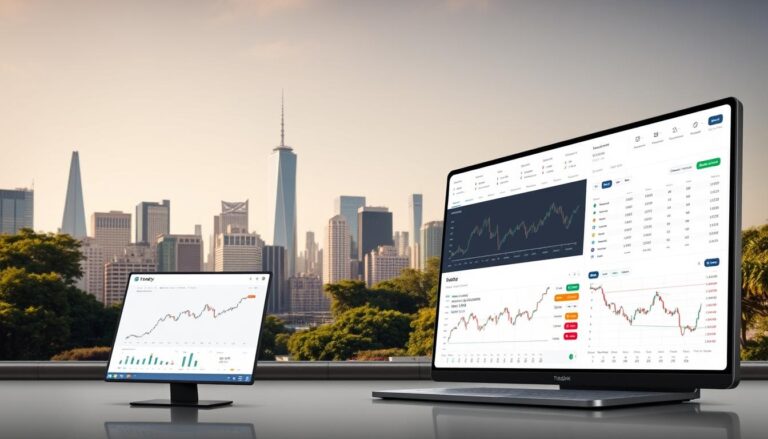
The trading environment on this platform is designed for both clarity and control. It sets a high standard with a fully configurable interface that users can tailor to their workflow.
Traders can arrange windows to focus on a single asset or manage several at once. This flexibility supports diverse trading styles and strategies.
Overview of the Platform and Its Key Features
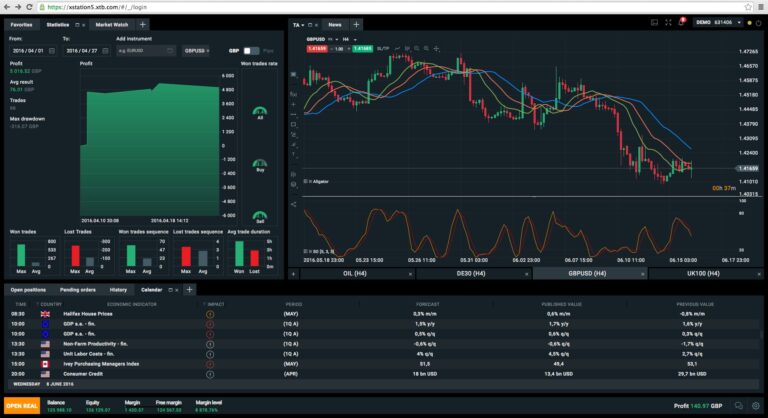
Key features include advanced charting with multiple plot types. Users can choose from candlestick, line, bar, and area graphs.
Customizable color schemes and menus enhance visual comfort during long sessions. The system includes nine technical analysis indicators.
Tools like MACD and Bollinger bands help with market analysis. Graphical functions allow drawing trend lines directly on charts.
Benefits of a Risk-Free Practice Account
A practice profile provides $10,000 in virtual capital. This allows unlimited experimentation with all platform tools.
Real-time quotes create an experience that mirrors live market conditions. It helps users build confidence without financial pressure.
This risk-free setting is crucial for developing emotional discipline. It prepares individuals for the psychology of real trading.
The industry-leading design offers professional-grade access. It democratizes sophisticated technology for retail traders.
Step-by-Step Guide: How to Open an IQ Option Demo Account

The process to begin using virtual funds for market practice involves just a few simple steps. No financial commitment is required to start. This guide walks through each part clearly.
Simple Registration Process Explained
First, visit the official website. Click the sign-up button for the practice profile. Provide a valid email and create a secure password.
Email verification completes the sign-up. No deposit or credit card details are needed. Full platform access is granted immediately after confirmation.
Accessing and Navigating the Demo Features
Upon login, users receive $10,000 in virtual currency. This practice balance fuels unlimited strategy tests. The capital can be reset anytime for continuous learning.
The layout includes an asset menu, central price chart, and trading controls. Technical analysis tools are easily accessible. Unlike many services, this practice environment has no time limit.
Educational materials like video tutorials and webinars are provided. Support is available 24/7 via phone, email, or live chat. Later, switching between practice and live profiles is straightforward.
Exploring Platform Tools and Technical Analysis

Sophisticated charting capabilities transform raw price data into actionable trading insights. The platform provides a suite of professional-grade tools for detailed market examination.
Customizing Chart Types and Time Intervals
Traders can select from multiple graph formats, including candlestick, line, bar, and area charts. Each offers a unique perspective on price action for different analytical approaches.
Every chart type is fully customizable in terms of color schemes and visual appearance. This personalization reduces eye strain during extended sessions and highlights key data.
Time interval adjustments are crucial for thorough analysis, enabling users to zoom in on minute-by-minute movements or expand to view weekly trends. This flexibility helps identify patterns across multiple timeframes.
It supports comprehensive technical analysis of any asset, considering both immediate price action and broader market context.
Nine configurable indicators, such as MACD and Bollinger Bands, are available. Each tool’s parameters, like periods in moving averages, can be tailored to individual strategies.
Graphical drawing functions allow manual marking of trend lines and support levels. These features complete a robust analytical toolkit for modern traders, rivaling institutional software.
Leveraging Mobile Apps and Risk Management Tools

Risk management is the cornerstone of sustainable trading, and modern platforms integrate tools to safeguard capital. Combining this with mobile access creates a powerful, flexible trading environment.
Mobile App Advantages for On-the-Go Trading
The dedicated mobile application provides full functionality for iOS and Android users. It mirrors the desktop experience with professional charting and order execution.
Customizable layouts ensure clarity on smaller screens. Traders can monitor positions, analyze markets, and manage their profile from anywhere.
Developed in-house, the app offers stable performance and seamless integration. This attention to detail supports consistent, on-the-go market engagement.
Utilizing Risk Management Features for Secure Trading
Essential protective tools include stop loss and take profit orders. These automatically close positions to lock in gains or limit potential loss.
Leverage controls allow adjustment of exposure on forex and CFD trades. Conservative settings help manage risk, while higher ratios amplify both profit and loss.
An innovative Position Top-up facility lets users add funds to a trade nearing its stop loss. This gives the position room to recover from temporary moves.
Mastering these features in a practice setting builds disciplined habits. It prepares individuals for secure trading with real funds.
Comparing Demo and Live Trading Experiences

A practice environment and a live market present fundamentally different challenges for a trader. Success in one does not guarantee instant results in the other.
Key Differences in Psychological and Financial Factors
The most significant gap is psychological. Emotional responses to losing virtual money differ vastly from the stress of seeing real capital decline.
Without financial consequences, a practice profile can encourage reckless risk-taking. This creates habits that may fail under real market pressure.
The typical $10,000 virtual balance also sets unrealistic expectations. Most new investors start with much smaller deposits, requiring adjusted position sizing.
Execution is another key factor. Simulated trading often lacks real-world elements like price slippage or order delays during fast-moving conditions.
To bridge this gap, traders should practice with discipline. Treat the simulation as a serious training program with self-imposed rules.
A gradual transition to live markets is wise. Starting with minimal capital helps the mind adapt to the new reality of financial risk.
Maximizing the Demo Experience for Strategy Testing

A systematic approach transforms the practice profile from a simple playground into a powerful strategy-testing laboratory. The virtual environment mirrors live conditions with real-time quotes, allowing for authentic technical analysis.
Even seasoned market participants regularly return to this simulation to vet new methodologies. This disciplined use turns extensive time spent into highly valuable skill development.
Experimenting with Technical Indicators and Graphical Tools
Begin by mastering one or two basic indicators on the platform. Understand their signals fully before adding complementary tools for confirmation.
Graphical functions help develop pattern recognition. Repeatedly drawing trend lines on historical data validates analytical skills. Test these setups across various assets to find predictable markets.
The simulation provides a perfect risk-free lab for combining indicators, time frames, and chart patterns. Maintaining detailed records of what works for specific conditions is crucial.
Building Confidence Before Transitioning to Real Trading
Confidence grows from moving beyond random trades to systematic testing. Define clear entry and exit rules, then apply them consistently.
Keeping a journal during this phase establishes essential habits. Documenting the rationale and outcome of each trade accelerates learning.
The move to live markets should only follow consistent virtual profitability. This demonstrates a proven ability to handle different market conditions. Treat the practice profile as a serious training program with staged goals.
Final Thoughts on the IQ Option Trading Journey
Choosing a trading platform is a significant decision that hinges on accessibility, regulatory trust, and the quality of tools provided. This brokerage has evolved into a comprehensive multi-asset service, supporting millions of accounts with forex, CFDs, and other instruments.
Key pillars include a remarkably low minimum deposit and strong oversight from CySec. These features lower the entry barrier while offering a secure environment for market participation.
The provided ecosystem is robust, but a trader’s success ultimately depends on personal discipline. Dedication to learning, strict risk management, and thorough practice are non-negotiable.
This journey begins with education and culminates in the disciplined application of strategy in the live markets.